
Talking medical devices use voice technology to make health monitoring easier and more accessible for you. They enable you to get instant, audible feedback from thermometers, blood pressure monitors, and other tools, perfect for visual or physical limitations. These devices turn routine checks into simple, interactive experiences, making health management less intimidating. To discover how these innovations can transform your health routine, keep exploring what voice-enabled medical devices can do for you.
Key Takeaways
- Talking medical devices use voice recognition to provide audible health readings, improving accessibility for users with visual or physical limitations.
- They enhance patient engagement by allowing users to ask questions, set reminders, and receive real-time feedback during measurements.
- Examples include talking thermometers that announce temperatures and blood pressure monitors that provide spoken results for easier interpretation.
- Voice-enabled devices support children and elderly individuals in independently managing health metrics, reducing frustration with traditional screens.
- These devices foster a more personal, conversational health monitoring experience, promoting confidence and proactive health management.
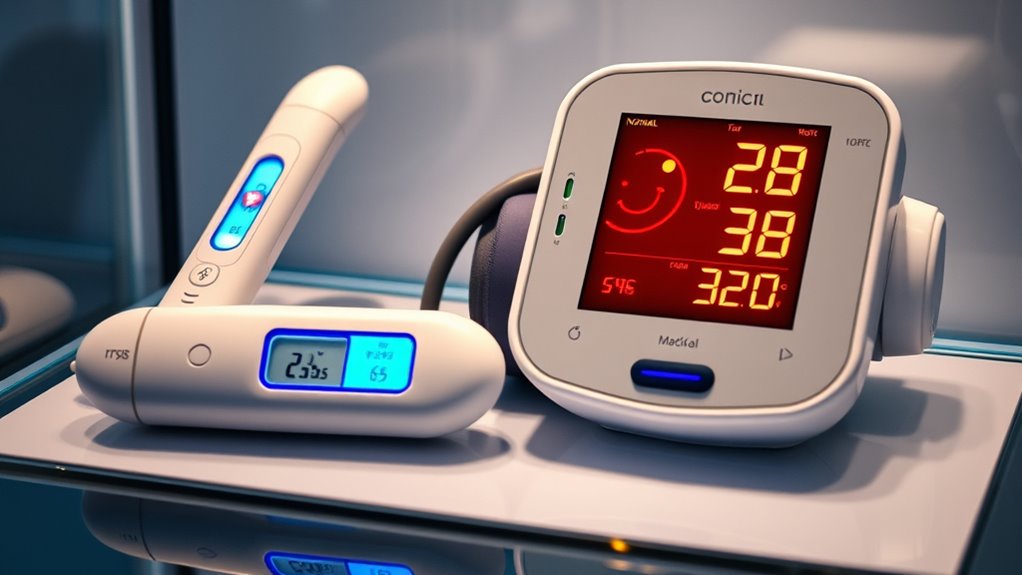
Have you ever wondered how medical devices are becoming more accessible and user-friendly? The answer lies in innovative features like voice recognition technology, which is transforming the way patients interact with their health tools. These advancements aim to boost patient engagement by making health monitoring more intuitive and less intimidating. Instead of fiddling with buttons or screens, you can now simply speak commands or ask questions, turning routine tasks into seamless experiences. Voice recognition allows devices to understand natural language, making it easier for you to operate them without needing technical expertise. This not only simplifies the process but also encourages regular use, which is vital for effective health management. Additionally, the integration of voice-controlled interfaces enables more personalized and efficient interactions with medical devices.
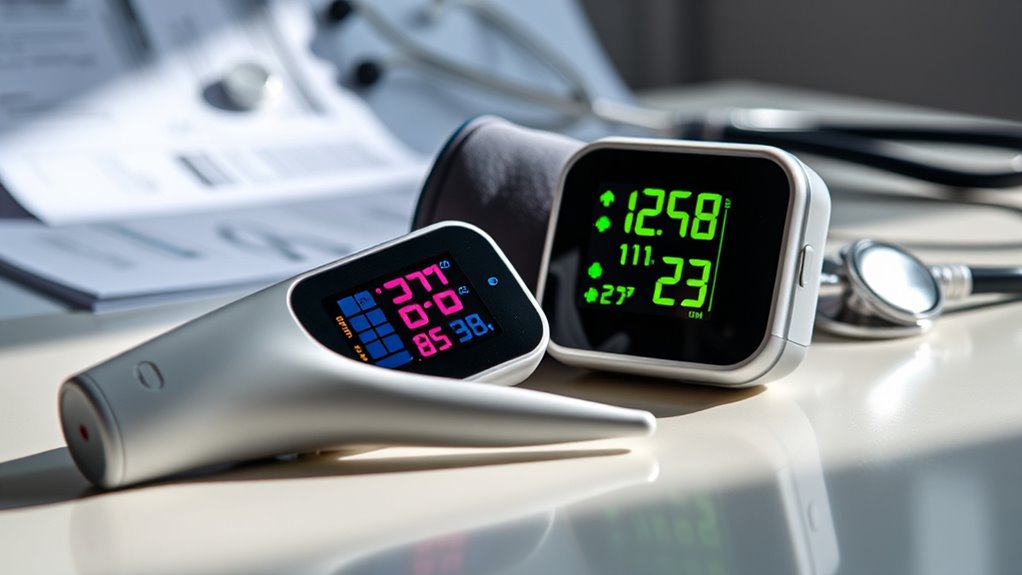
Imagine a talking thermometer that announces your temperature readings aloud, removing the need to interpret tiny digital displays. Such devices are especially helpful for children, elderly individuals, or those with visual impairments, who might struggle with conventional gadgets. By speaking to your device, you’re actively engaging with your health information, fostering a sense of control and awareness. This kind of patient engagement is essential; it motivates you to stay consistent with monitoring and understand your health status better. When a device can respond to your voice, it creates a more personal, less clinical experience, making health tracking feel less like a chore and more like a conversation.
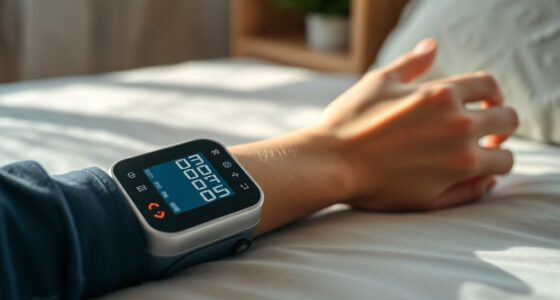
Talking blood pressure monitors take this concept further by providing real-time audio feedback on your readings. Instead of waiting to see a cuff display, you simply press a button, and the device tells you your systolic and diastolic measurements out loud. This immediate feedback helps you quickly grasp your health status, especially if you’re managing chronic conditions like hypertension. The voice recognition feature also enables you to set reminders or ask for advice during measurements, keeping you engaged and informed. The more you interact with these devices through voice, the more confident and proactive you become about your health.

Awaiymi Digital Talking Thermometer for The Blind, Waterproof Instant Read Food Thermometer with Talking Function & Backlight, Meat Thermometer with Probe for Cooking and Grilling, and More
✅Ultra-Fast and Accurate-Our talking thermometer for the blind features a temperature probe and advanced, high-precision technology with a…
As an affiliate, we earn on qualifying purchases.
As an affiliate, we earn on qualifying purchases.
Frequently Asked Questions
How Do Talking Medical Devices Ensure Data Privacy?
You can trust talking medical devices to protect your data through strong measures like data encryption and user authentication. Data encryption scrambles your information, making it unreadable to unauthorized parties. User authentication ensures only you or authorized personnel access your device’s data. By combining these security features, the devices keep your health information private and secure, giving you peace of mind during your health monitoring.
Are Talking Devices Suitable for Elderly Users?
You’ll find talking devices are often suitable for elderly users because they promote independence and enhance user comfort. It’s a coincidence that technology designed to assist can also connect generations, making health management easier. These devices are simple to operate, provide clear instructions, and reduce errors, helping seniors feel confident and in control of their health. With thoughtful features, talking devices support elderly independence while ensuring comfort and usability.
How Durable Are Talking Medical Devices in Daily Use?
Talking medical devices are generally quite durable for daily use, but their longevity depends on how well you handle them. You can extend their life by avoiding accidental damage, like drops or spills. Regular cleaning and proper storage also help maintain their functionality. While most are designed for everyday use, being gentle and cautious guarantees they last longer, so you get reliable readings whenever you need them.
Can Talking Devices Be Used by Visually Impaired Individuals?
Nearly 80% of visually impaired users find talking devices highly accessible. You can definitely use talking devices if you’re visually impaired, thanks to voice recognition and accessibility features. These devices are designed to read out measurements clearly and respond to voice commands, making health monitoring easier and more independent. With ongoing advancements, they’re becoming even more user-friendly, ensuring everyone can take care of their health comfortably and confidently.
What Maintenance Is Required for Long-Term Accuracy?
You should calibrate your talking medical device regularly, ideally every 6 to 12 months, to guarantee long-term accuracy. Keep an eye on performance and recalibrate if readings seem off. Additionally, replace batteries promptly when they run low to prevent interruptions. Regular maintenance like cleaning sensors and checking for software updates also helps keep your device functioning accurately over time.

Oklar Blood Pressure Monitors for Home Use Rechargeable Wrist Digital BP Machine Cuff with LED Backlit Display, Voice Broadcast, 240 Memory Storage for 2 Users with Carrying Case
Convenient Dual User Mode: Store up to 240 readings for two users, allowing easy tracking and comparison of…
As an affiliate, we earn on qualifying purchases.
As an affiliate, we earn on qualifying purchases.
Conclusion
As you explore these talking medical devices, you’re stepping into a world where technology becomes your helpful companion. They’re like friendly guides, whispering essential health details right into your ear, making monitoring feel less like a chore and more like a conversation. With each beep and prompt, they turn complex health info into a clear, comforting dialogue. Embrace these devices—they’re the gentle giants standing by your side, turning health tracking into a seamless, reassuring journey.
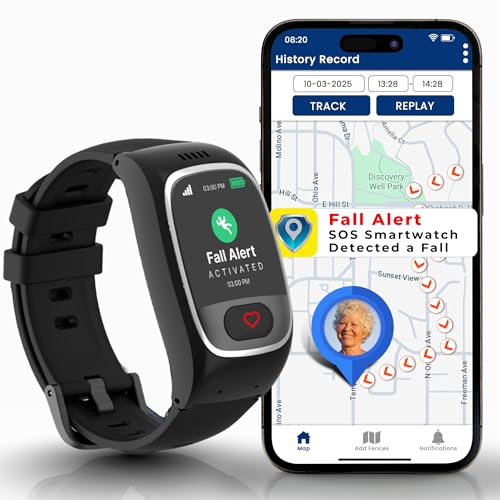
Seculife Smartwatch: Medical Alert Bracelet with GPS Tracker, Fall Detection Smart Watch, 2 Way Calling, SOS Button, Medical Watch, Emergency Device for Seniors, Life Alert System, Elderly Monitoring
🆘 𝐅𝐚𝐥𝐥 𝐃𝐞𝐭𝐞𝐜𝐭𝐢𝐨𝐧, 𝐒𝐎𝐒 𝐯𝐨𝐢𝐜𝐞 𝐜𝐚𝐥𝐥𝐬 𝐟𝐨𝐫 𝐒𝐞𝐧𝐢𝐨𝐫𝐬: When the smartwatch detects a fall or the heart button…
As an affiliate, we earn on qualifying purchases.
As an affiliate, we earn on qualifying purchases.
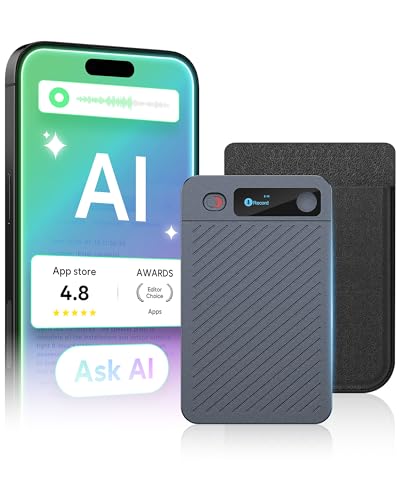
AI Voice Recorder, 64GB Note Taking Device w/Magnetic Case, App Control, AI Technology Transcribe & Summarize Free, 121 Languages, 45H Battery, Audio Recorder for Lectures Meetings Calls
𝗡𝗲𝘅𝘁-𝗚𝗲𝗻 𝗔𝗜 𝗡𝗼𝘁𝗲 𝗧𝗮𝗸𝗶𝗻𝗴 𝗗𝗲𝘃𝗶𝗰𝗲 𝘄𝗶𝘁𝗵 𝗚𝗣𝗧-𝟰𝗼 𝗜𝗻𝘁𝗲𝗴𝗿𝗮𝘁𝗶𝗼𝗻: Transform your productivity with this advanced AI voice recorder that…
As an affiliate, we earn on qualifying purchases.
As an affiliate, we earn on qualifying purchases.